BALI – Are all government-owned properties in Bali legally registered and protected by land certificates? Not yet. As of November 2026, 401 land parcels belonging to the Bali Provincial Government remain uncertified, prompting the National Land Agency (BPN) to accelerate the registration process, with completion targeted for 2027.
The issue has attracted attention because legal certification is essential to protecting government assets, preventing land disputes, and ensuring transparent public asset management.
The Corruption Eradication Commission (KPK) previously raised concerns about the issue during a regional coordination meeting on corruption prevention and improvements to local government governance across Bali. The meeting was held at the Wiswa Sabha Building, Bali Governor's Office, on November 5, 2026.
During the meeting, Nurul Ichcan Al Huda, Head of the KPK's Coordination and Supervision Task Force for Region V, revealed that 517 provincial government land parcels had not yet been certified.
The figure represented approximately 9.5 percent of Bali's 5,436 registered provincial government land assets.
Following the KPK's findings, the Bali Provincial Office of the National Land Agency (BPN) conducted further verification in coordination with the Bali Regional Financial and Asset Management Agency (BPKD).
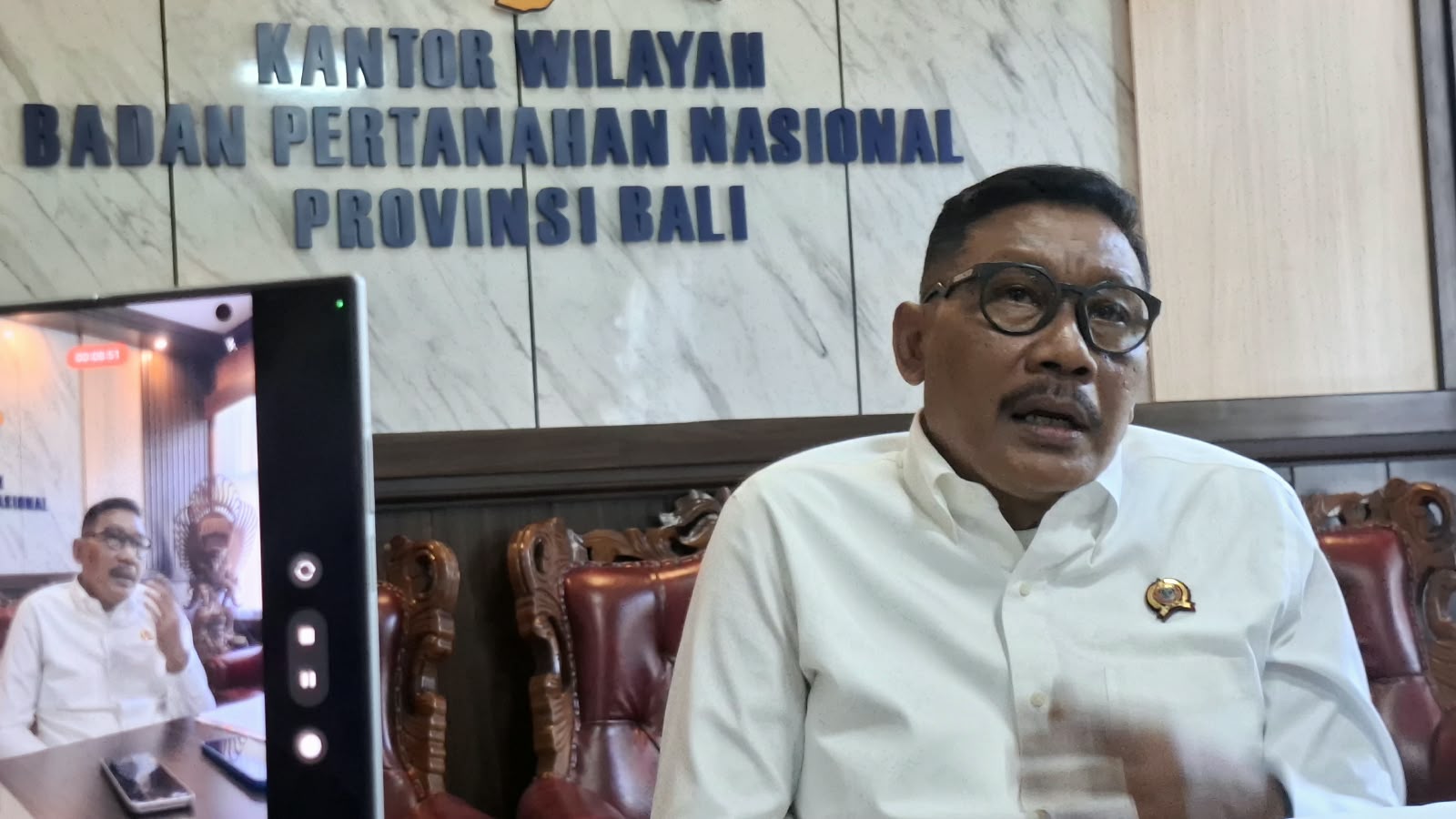
Bali BPN Head Eko Priyanggodo explained that 116 of the initially reported 517 land parcels had already received certificates by November 2026. This reduced the remaining uncertified assets to 401 parcels.
More than 200 of the remaining 401 parcels have already been submitted for the certification process. Most of these properties are provincial road assets.
BPN Bali is targeting the completion of certification for all remaining provincial government land assets by 2027.
Why Are Hundreds of Bali Government Land Assets Still Uncertified?
According to Bali Provincial Secretary Dewa Made Indra, several factors have contributed to the delays in certifying government-owned land.
One of the main challenges is incomplete ownership documentation. Some government properties do not yet have all the required administrative documents, meaning additional preparation is needed before certification can proceed.
Another challenge is the large number of land parcels requiring certification. The process must therefore be carried out gradually, depending on the annual budget allocated for land administration.
Meanwhile, ongoing infrastructure development continues to generate new government land assets that also require legal registration.
One example is the land acquisition for the Denpasar-Singaraja shortcut road project. Although the road construction is being carried out by the Ministry of Public Works, the land acquisition is the responsibility of the Bali Provincial Government.
Similar arrangements apply to land acquired for the Bali Cultural Center development and irrigation infrastructure projects.
Regency and municipal governments across Bali face comparable challenges, particularly when acquiring land for new roads and public facilities.
With 401 land parcels still awaiting certification, the 2027 target represents an important step toward improving the legal protection and management of Bali's public assets.
Beyond administrative compliance, securing land certificates is essential to ensuring that government-owned properties remain legally protected and can be used effectively for public infrastructure and community development.