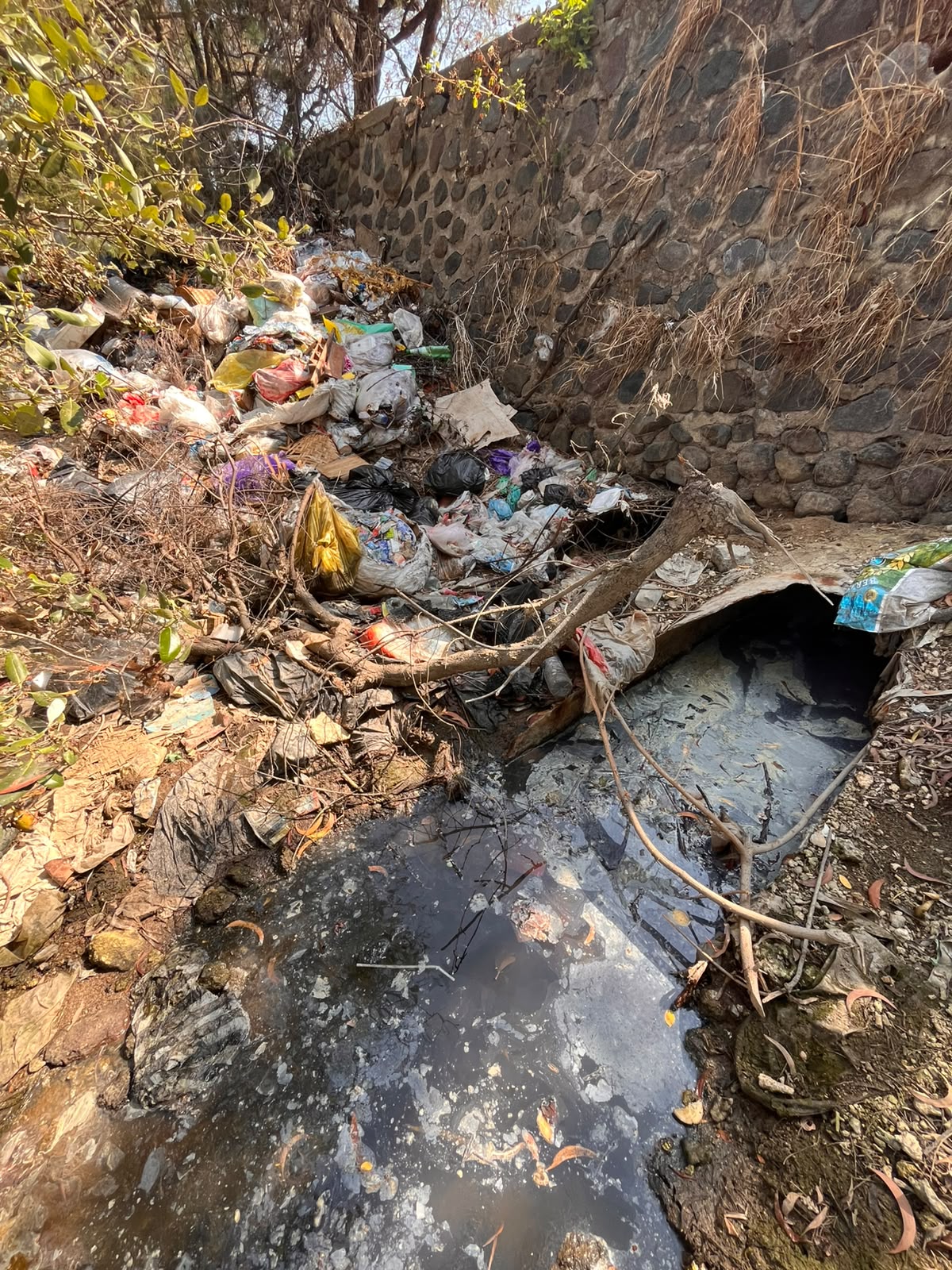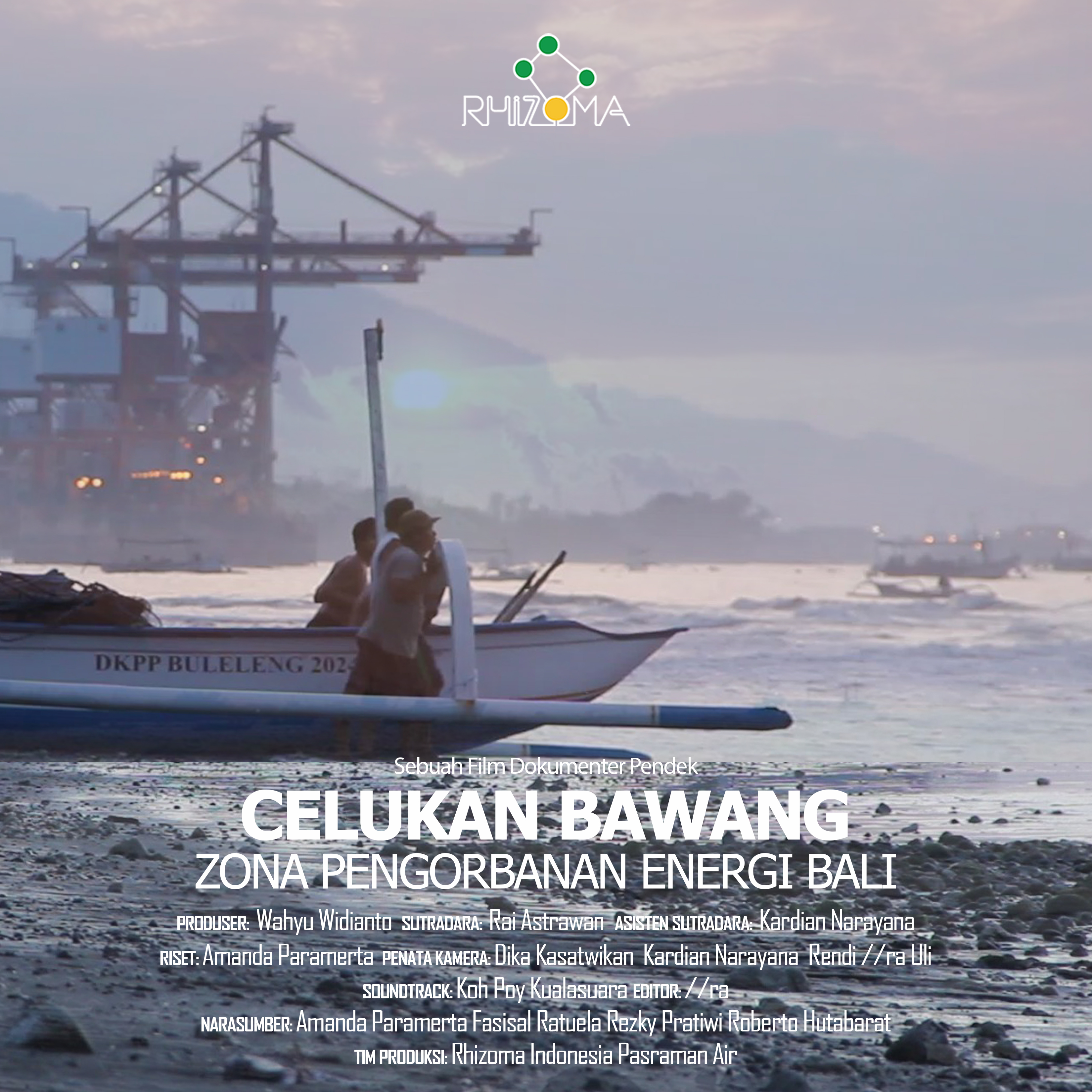
BALI – Environmental activists in Bali have raised concerns over the planned Gas and Steam Power Plant (PLTGU) in Celukan Bawang, Buleleng Regency, and the proposed Floating Storage and Regasification Unit (FSRU) LNG project in Pesanggaran, South Denpasar. Their concerns were highlighted through a screening of the documentary Celukan Bawang: Bali’s Energy Sacrifice Zone, directed by Rai Astrawan, at Kubu Kopi in Denpasar on Saturday (October 10, 2026).
The screening opened a public discussion about Bali’s energy development plans, particularly the potential environmental impacts on coastal communities and marine ecosystems.
Organizers also screened a documentary about a power plant project in Cilamaya, Tangerang, as a point of comparison for assessing potential risks in Bali.
The activists said experiences from other regions should serve as lessons before similar energy projects move forward in Bali. They called on the government to provide transparent information about project planning and environmental impact assessments.
Activists Question Bali’s Clean Energy Narrative Roberto Hutabarat, coordinator of Don't Gas Indonesia, said the documentary screening aimed to raise public awareness about the potential impacts of LNG projects planned in Bali, including the proposed FSRU LNG facility in Pesanggaran, South Denpasar.
According to Roberto, documentaries can help communicate environmental issues to a wider audience. Audiovisual presentations, he said, can make complex scientific research and environmental concerns more accessible to the public.
He acknowledged that the situation in Bali differs from Cilamaya because the projects under scrutiny in Bali are still at the planning stage. However, experiences from other regions could provide valuable lessons for anticipating potential impacts if similar projects proceed.
Roberto also questioned the portrayal of gas as a clean energy source when the narrative is not accompanied by transparent explanations of its potential environmental and social consequences.
He argued that communities living near industrial facilities could bear the direct environmental consequences, while the economic benefits of investment might not be distributed equally.
Roberto, who is also an activist with the Bali Rejects Reclamation movement, voiced opposition to LNG infrastructure plans that he believes could threaten Bali’s coastal areas.
He called for stronger public participation in overseeing development policies and urged authorities to ensure that projects with potential consequences for local communities are assessed transparently. He stressed that his criticism was directed at development policies that require greater scrutiny, rather than personally targeting Bali Governor Wayan Koster.
Roberto also questioned the underlying energy demand that the projects are intended to meet, including their connection to strategic development plans and Bali’s proposed development as a financial and economic hub. Coral Reefs in Celukan Bawang Raise Environmental Concerns Potential impacts on marine ecosystems were another key issue discussed during the documentary screening.
Amanda Paramerta and Wahyu Widianto of Rhizoma Indonesia outlined several environmental risks that they believe should be assessed if the planned Celukan Bawang gas power plant proceeds.
Amanda said the experience of the power plant project in Cilamaya could provide a useful comparison, particularly regarding sedimentation and wastewater discharge that could affect marine ecosystems.
These factors could potentially disturb coral reefs, depending on local marine conditions, the project's technical design, and the effectiveness of environmental management measures.
Amanda cited two coral reef locations near the existing Celukan Bawang coal-fired power plant area, based on data from Indonesia's Coastal and Small Islands Zoning Plan (RZWP3K).
However, the extent of any potential impact on coral reefs in Celukan Bawang would require further assessment based on local conditions and the technical specifications of the proposed project.
Industrial shipping activity is another concern because it could increase underwater noise and maritime traffic.
The issue is particularly relevant to Lovina in North Bali, which is known as a dolphin-watching destination. Increased vessel activity could disrupt the behavior and movement of marine mammals if maritime traffic is not properly managed.
The activists emphasized that environmental assessments should consider the interconnected nature of coastal and marine ecosystems, including habitats that support local livelihoods and Bali’s tourism industry.
Government Urged to Disclose Energy Project Plans The proposed Celukan Bawang gas power plant in Buleleng and LNG infrastructure development in Pesanggaran, South Denpasar, have renewed questions about the direction of Bali’s energy policy.
The activists urged the government to explain the energy needs these projects are intended to meet, disclose project plans, and provide environmental assessments covering potential social and ecological consequences.
They argued that claims of clean energy and energy independence must be accompanied by transparent information about potential impacts on coastal areas, coral reefs, fishing communities, and marine wildlife. For environmental advocates, meeting Bali’s energy needs must go hand in hand with ecosystem protection and the public’s right to a healthy environment.
The screening of Celukan Bawang: Bali’s Energy Sacrifice Zone was intended to broaden public discussion about the island’s energy development plans and highlight the importance of assessing environmental risks before projects are implemented.